Y Strainers
Compact inline Y strainers for pump and valve protection. The angled screen suits tight installations and lower debris loads, horizontally or vertically.
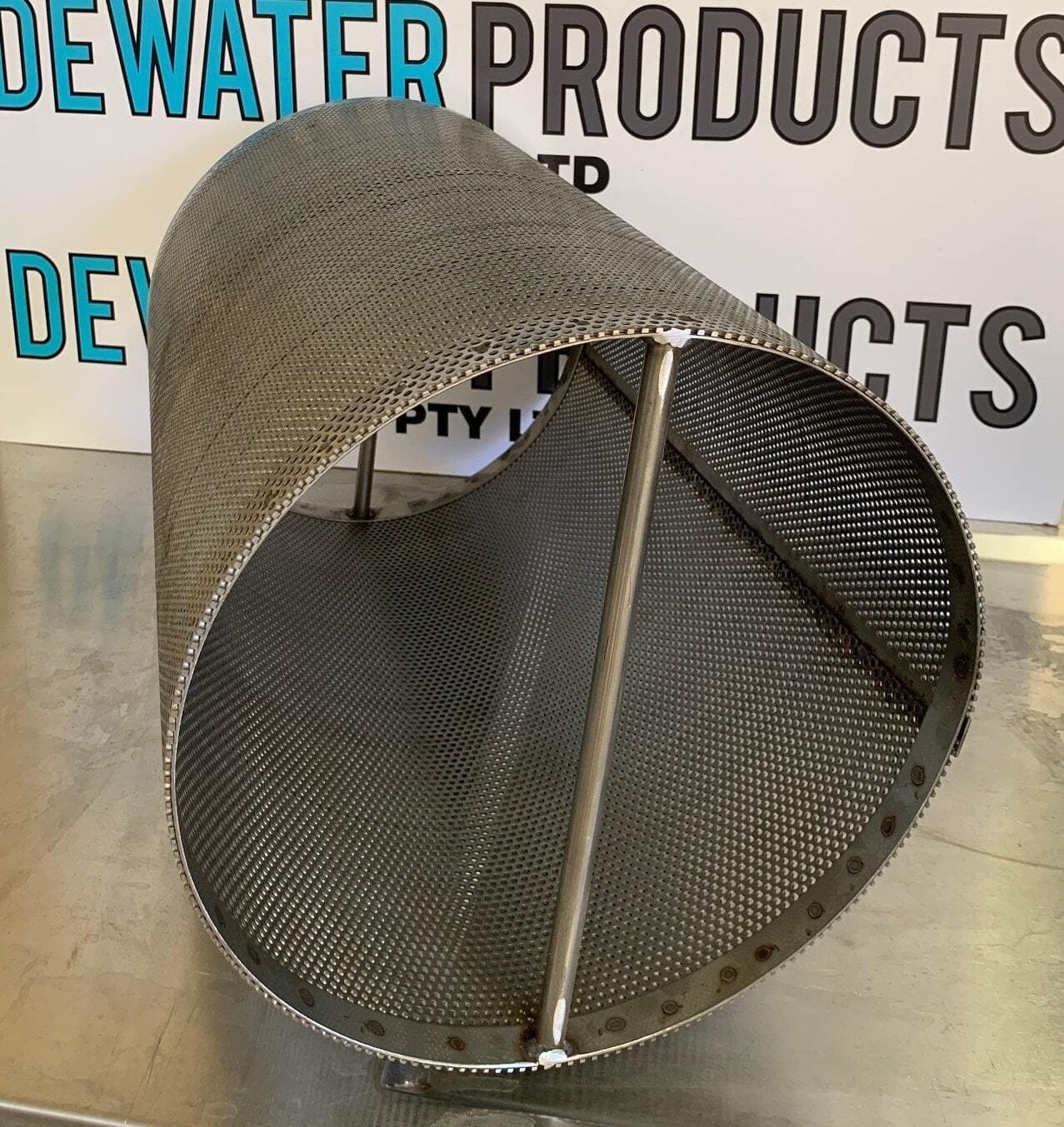
Heavy Duty Y Strainer Filter Screen - SS316
Heavy Duty Y Strainer Filter Screen - SS316
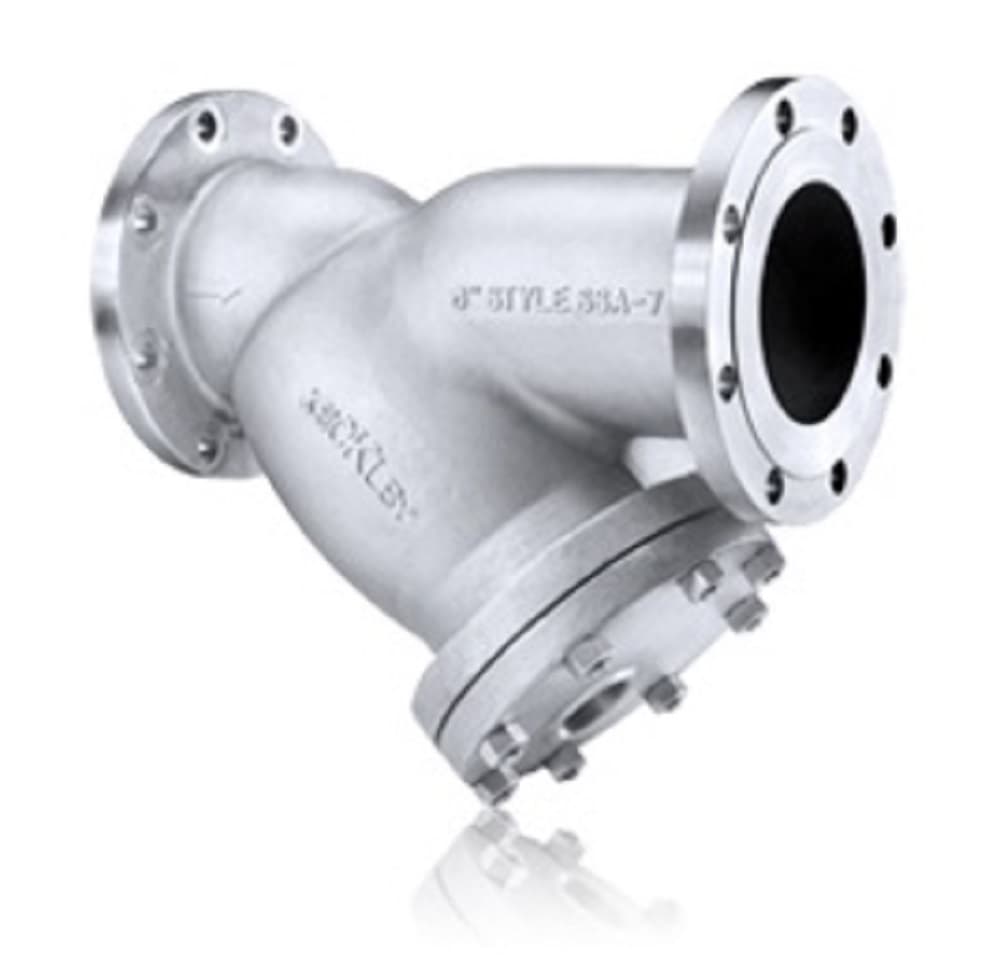
CF8M Y Strainer
CF8M Y Strainer
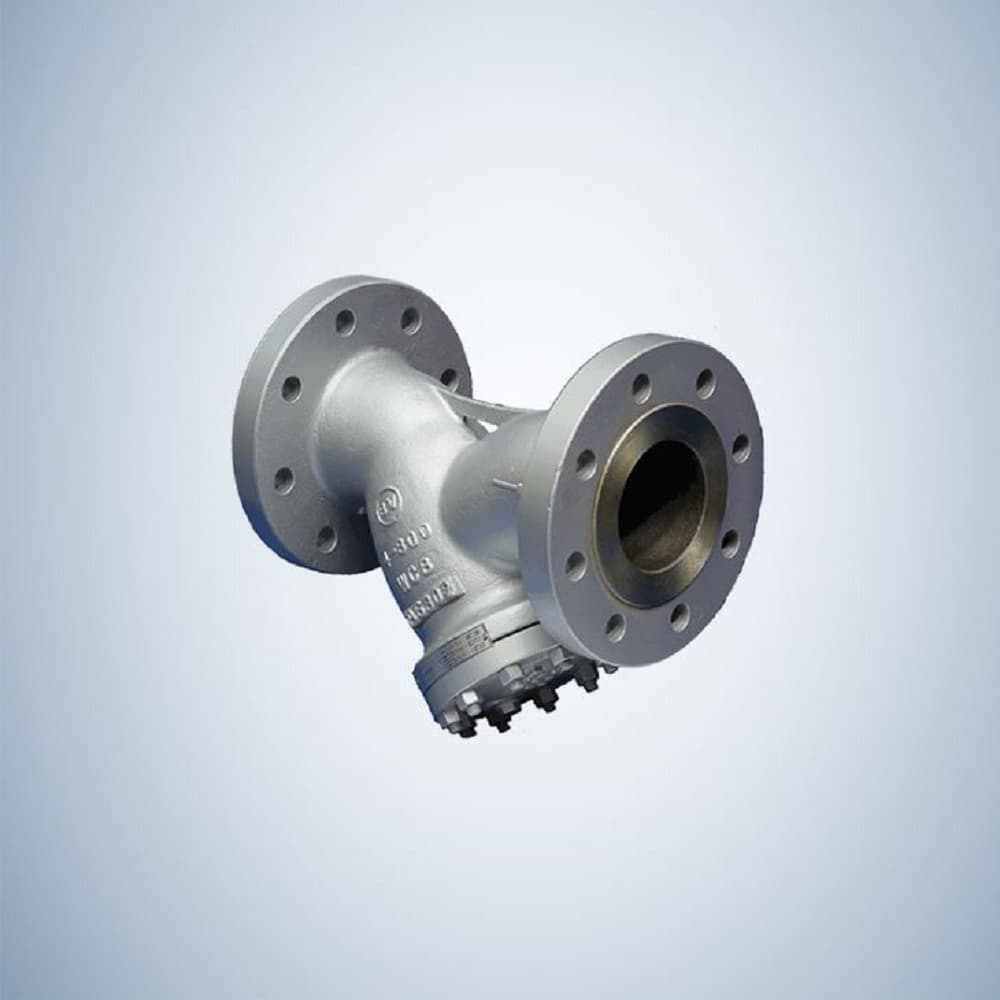
Y Strainer WCB Cast Steel - Flanged ANSI 150LB
Y Strainer WCB Cast Steel - Flanged ANSI 150LB
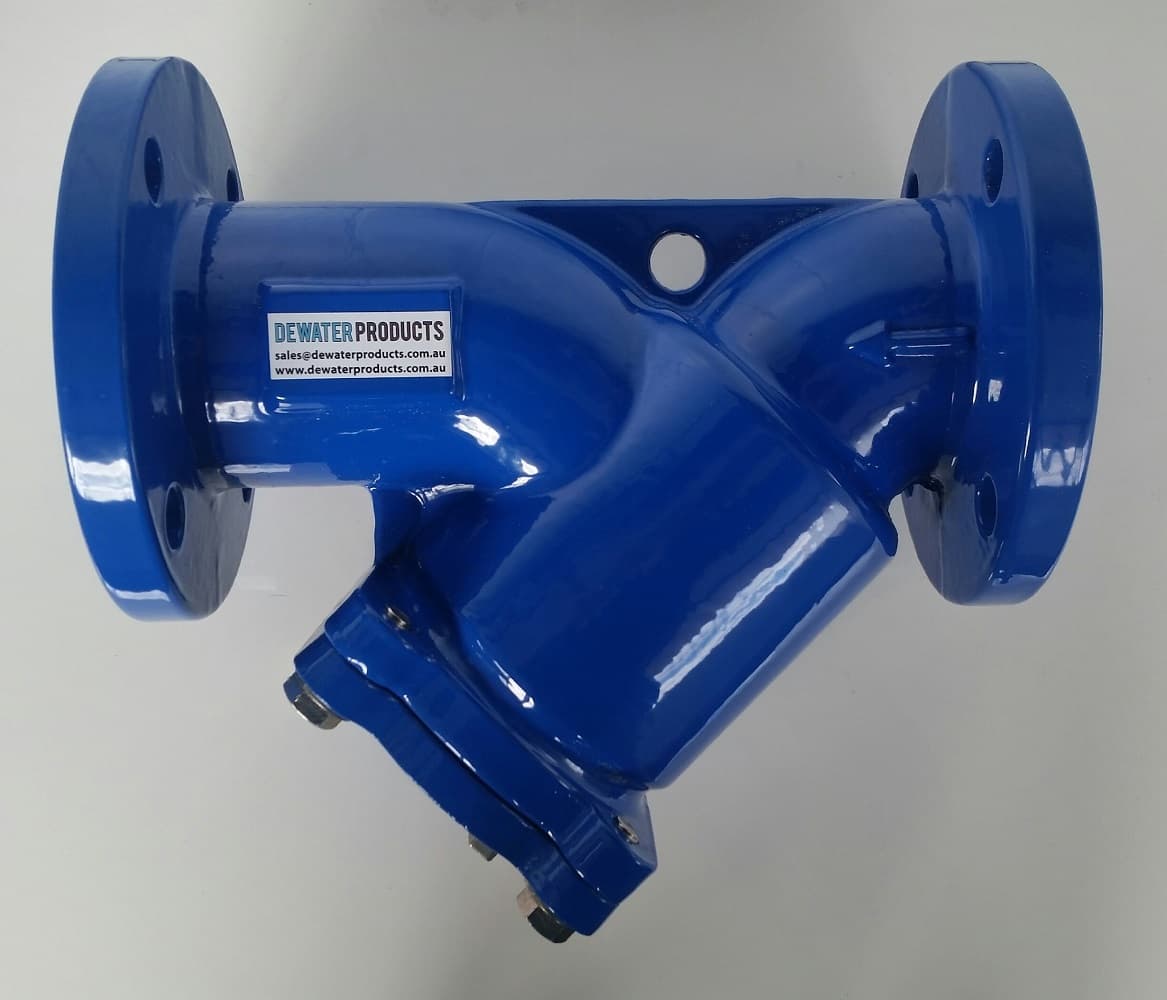
Y strainer FBE coated - Flanged Table E
Y strainer FBE coated - Flanged Table E
About Y Strainers
A Y strainer takes its name from the Y-shaped body, which holds the screen at an angle to the flow in a leg below or beside the line. It is the most compact strainer you can fit, it costs less than a basket strainer of the same size, and it installs either horizontally or vertically. The trade-off is screen area: a Y strainer holds less debris than a basket strainer, so it suits lines where the debris load is light and consistent.
When a Y strainer is the right choice
Choose a Y strainer when space is tight, when the debris load is low, and when you can plan a short shutdown to clean the screen. Typical duties are pump and valve protection on clean or treated water, HVAC circuits, and instrument protection ahead of flow meters and control valves.
Choose a basket strainer instead when the line carries a real debris load, when flow rates are high enough that pressure drop matters, or when you need to clean often and quickly. The open screen area of a basket strainer is several times that of a Y strainer in the same line size, which is the whole reason the two types coexist.
Materials and where each one belongs
316 stainless steel (CF8M) is the standard for water service and anything corrosive, and it is what we recommend for long-life installations. Cast steel (WCB) suits higher-pressure duty on non-corrosive media. Cast iron is the economy option for general water service where the service life required is shorter. Fusion-bonded epoxy coated bodies are also available where you want a coated iron body for buried or damp installations.
Screens are perforated plate or mesh, with standard openings from 0.5mm to 3mm. Tell us the particle size you need to stop at, not just the line size, because the screen opening is what determines whether the strainer actually protects the equipment behind it.
Pressure ratings and derating
Y strainers are supplied in PN10, PN16 and PN20 (ANSI Class 150), flanged to AS4087 Table D or Table E, or to ANSI 150lb. As with every strainer, the maximum allowable working pressure falls as fluid temperature rises, and the limiting component is usually the seal or gasket material rather than the body. Give us pressure and temperature together and we will confirm the correct rating.
Installation and cleaning
The one installation rule that matters is orientation: the screen leg has to point downward, so debris collects in the leg and stays out of the flow until you clean it. On horizontal pipe that means the leg hangs below the line. On vertical pipe it means flow runs downward through the strainer. Fit a Y strainer with the leg pointing up and it will dump its collected debris back into the line the moment flow changes.
Leave clearance below the leg for the screen to withdraw, and fit a blowdown valve on the cap if the line is one you would rather flush than open. A blowdown lets you clear light debris without shutting down, which extends the interval between proper clean-outs considerably on treated water.
Screens are removable and reusable. If you are pulling the screen often enough that it is a nuisance, that is the signal to move to a basket strainer rather than to persist with a Y.
Service life in water applications
Dewater specialises in water and wastewater service rather than high-temperature process duty, and the most common question we get is how long a strainer will last. Passivation is the most effective answer: it restores the protective chromium oxide layer on the stainless steel after fabrication and welding, which is where corrosion resistance is usually lost. Internal coatings such as PTFE add a further barrier for more aggressive water.
We can also supply a material certificate with the unit so the alloy is documented rather than assumed, and we can build to ASME B31.3 where a project specification requires it, which adds the design fundamentals and third-party inspection that standard calls for.
Applications
Key Features
- ✓Most compact strainer body for a given line size
- ✓Horizontal or vertical installation
- ✓316SS (CF8M), cast steel (WCB), cast iron and FBE coated bodies
- ✓PN10, PN16 and PN20 (ANSI Class 150)
- ✓Removable stainless screen, 0.5mm to 3mm openings
- ✓AS4087 Table D/E and ANSI 150lb flanging
- ✓Lower cost than a basket strainer of the same size
Y Strainers Specifications
| Body material | 316 stainless steel (CF8M), cast iron, ductile iron and cast steel |
|---|---|
| Pressure ratings supplied | PN10, PN16 and PN20 (ANSI Class 150) |
| Flange standards | AS4087 Table D and Table E, ANSI 150lb, PN16 |
| Screen element | Perforated plate or mesh, 0.5mm to 3mm standard openings |
| Surface treatment options | Passivation, PTFE and other internal coatings |
| Documentation | Material certificates available on request |
| Special specifications | ASME B31.3 design and third-party inspection to order |
Maximum allowable working pressure reduces as fluid temperature rises. Give us your operating temperature along with your pressure and we will confirm the correct rating and seal material for the duty.
Who selects these strainers
Kris McKeown, Director, Dewater Products. Over 12 years as a Mechanical Engineering Technician and more than 17 years in industrial sales. Kris selects and specifies every strainer Dewater supplies.
Dewater Products has supplied industrial fluid piping products Australia-wide from Perth since 2015, sourcing from over 20 approved manufacturers across 5 countries. If you are not sure which strainer suits your duty, call 1300 271 290 and talk it through before you order.
Y Strainers FAQs
Should I use a Y strainer or a basket strainer?
Use a Y strainer where space is tight, debris loading is light, and a short shutdown for cleaning is acceptable. Use a basket strainer where the debris load is real, flow rates are high enough that pressure drop matters, or cleaning needs to be fast and frequent. A basket strainer has several times the open screen area of a Y strainer in the same line size.
Can a Y strainer be installed vertically?
Yes. The Y body works in horizontal or vertical pipework. The rule is that the screen leg must point downward so collected debris falls away from the flow and stays in the leg until you clean it. On vertical pipe, that means flow running downward through the strainer.
What mesh or screen opening do I need?
Standard openings run from 0.5mm to 3mm, which covers most pump, valve and equipment protection duties. The right choice depends on the smallest particle that would damage the equipment you are protecting, so tell us what is downstream and we will match the screen. Finer and coarser elements are available to order.
What is the difference between CF8M and WCB?
CF8M is the cast equivalent of 316 stainless steel and is the choice for water service and corrosive media. WCB is cast carbon steel, which is stronger and cheaper but has no corrosion resistance, so it suits higher-pressure duty on clean, non-corrosive media rather than long-term water service.
How do I get more service life out of a Y strainer?
Passivation is the single most effective step on a stainless body, because it restores the protective oxide layer lost during fabrication and welding. Internal coatings such as PTFE give an additional barrier where the water is aggressive. Both are available, and we can supply a material certificate so the alloy is documented.